Independent directory — we compare Columbia wildlife removal companies; we don't do the work ourselves.
Quick answer
Wildlife removal in Forest Acres typically costs $150–$700 for a single-animal job and $400–$1,500 for bat exclusion, based on national cost data and published local pricing compiled September 2026. Forest Acres was named for its canopy, and the canopy still runs the show: mature hardwoods overhanging 1950s–60s rooflines make this the Columbia metro's most classic squirrel-and-raccoon territory, with uncapped mid-century chimneys as a local specialty. All companies on our metro list cover Forest Acres — it's minutes from every operator's base.
Price ranges compiled from national cost data and published local pricing, September 2026. Every job is scoped on site — most companies inspect free.
24/7 — speak with a local wildlife specialist now.
Call (803) 910-6021Free to call, no obligation. Describe what's in your attic, walls or crawl space.
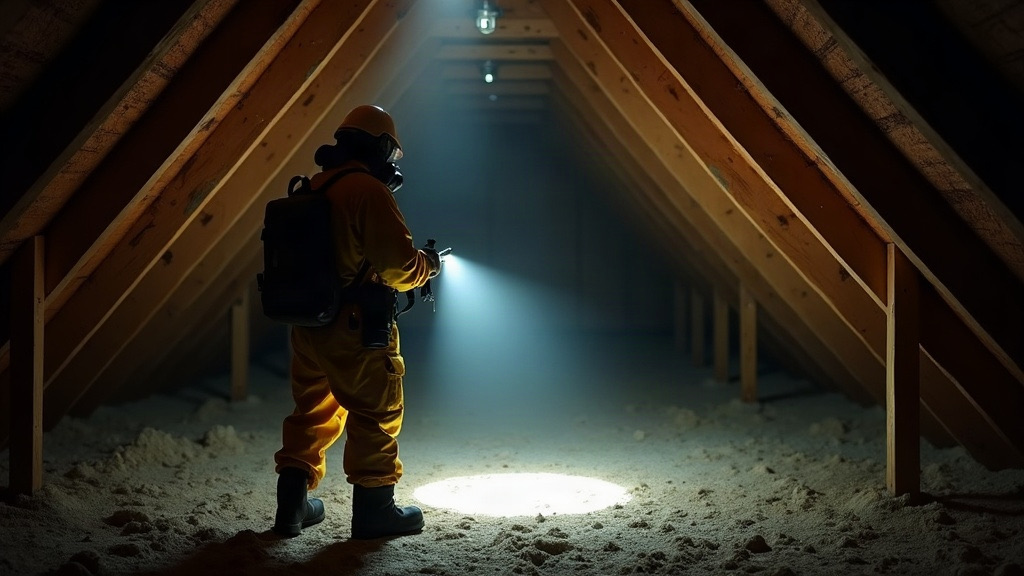
Forest Acres incorporated in 1935 and built out through the 1950s and 60s — brick ranch homes along Trenholm Road, Forest Drive and the streets around Forest Lake, under a hardwood canopy that has now had seventy years to mature. That canopy is beautiful, valuable, and functionally a squirrel highway system: branches touching rooflines let gray squirrels onto any house in the neighborhood, and the houses themselves — original soffits, wood fascia, gable vents that predate modern screening — offer the entry points.
This is the metro's textbook case for the rule that removal without exclusion is a subscription. The neighborhood's wildlife pressure doesn't decline, because the habitat doesn't decline. A Forest Acres home that gets squirrel removal plus chew-proof sealing is done; one that gets removal alone typically re-books within a season or two. Methods, timing and the wiring-fire risk: our squirrel removal guide.
The dawn-and-dusk scampering call leads, but Forest Acres generates two other signature jobs. Raccoons in uncapped chimneys: mid-century homes often have masonry chimneys that were never capped, and to a raccoon an open flue is a hollow tree — chimney dens with kits are a spring staple here, and they require a cap after removal, not just removal (raccoon details). Bats in older gable vents: the same pre-war and early post-war vent designs that ventilate poorly also admit bats, and exclusions follow South Carolina's April–July maternity-season rules (bat details).
Around the edges: opossums under decks in the leafier streets, copperheads in the deep mulch and leaf litter that mature landscaping accumulates, and — in a neighborhood where some houses predate modern construction entirely — the full range of entry-point carpentry that makes whole-home exclusion the highest-value job here.
Expect metro pricing: $300–$700 for squirrel or single-raccoon removal, $300–$1,000 for entry-point sealing, $400–$1,500 for bat exclusion, and $500–$2,500 for whole-home exclusion — Forest Acres homes often sit above the midpoint on sealing because seventy-year-old rooflines simply have more gaps to close. Chimney caps run as a modest add-on. The full table: Columbia-area costs.
Every company on our companies list covers Forest Acres — it's central Columbia, minutes from all of them — and AAAC Wildlife Removal names it explicitly. Richland County Animal Services doesn't handle wildlife on private property, so removal is a paid private service; inspections, often, are free. Haven't identified the animal? Start with the Columbia overview or the attic-noise guide.
A technician confirms whether kits are present (spring litters are common in chimney dens), evicts the family — typically with a one-way door or by removing kits to draw the mother out — and then the essential step: a proper chimney cap. An uncapped chimney in Forest Acres is an open den site, and removal without capping is an invitation to the next raccoon. Typical total: $300–$700 for removal, with the cap as a modest add-on.
Yes — it's one of the few prevention steps with a real track record. Arborists and wildlife operators both suggest keeping limbs six-plus feet off the roofline. It won't stop a determined squirrel (nothing short of sealed gaps does), but it removes the easy route and noticeably reduces pressure on homes under Forest Acres' heavy canopy.
$300–$700 for the removal itself (one-way door or trapping), plus $300–$1,000 to seal the entry points — the step that makes it permanent. Ranges from national cost data and published local pricing, September 2026; inspections are often free.
Yes — the neighborhood's older gable vents and construction gaps are classic bat entries, and small colonies in attics are a routine finding. Exclusion is the only legal method, and it's restricted during the April–July maternity season: summer inspections and prep, final exclusion from August. Typical cost $400–$1,500.
Noises in the attic, droppings, a snake you'd rather not identify — describe it on one call and hear the next step from a local specialist.