Independent directory — we compare Columbia wildlife removal companies; we don't do the work ourselves.
Quick answer
Squirrel removal in Columbia typically costs $300–$700 for trapping or one-way-door eviction, plus $300–$1,000 to seal the entry points — the step that makes it permanent. Columbia has gray squirrels (dawn-and-dusk noise) and Southern flying squirrels (night noise, winter colonies). The real reason to act: squirrels chew wiring, and chewed attic wiring is a leading wildlife-related fire risk.
Price ranges compiled from national cost data and published local pricing, September 2026. Final pricing follows an on-site inspection — most Columbia companies inspect free.
24/7 — speak with a local wildlife specialist now.
Call (803) 910-6021Free to call, no obligation. Describe what's in your attic, walls or crawl space.
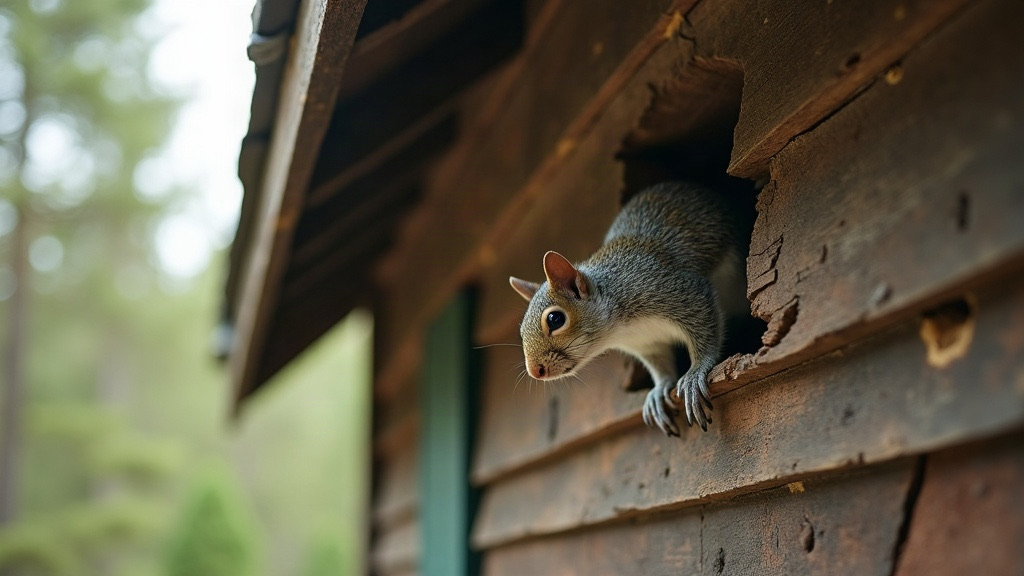
Columbia's older neighborhoods are squirrel country: mature oaks and pines overhanging rooflines in Shandon, Rosewood and Forest Acres, and housing stock old enough to have gaps at soffits, fascia boards and attic vents. A squirrel needs a hole the size of a golf ball — and if the gap is almost big enough, squirrels chew it the rest of the way.
Two species do the damage here. Eastern gray squirrels are the daytime tenants: fast scampering overhead at dawn and dusk, two litters a year (late winter and mid-summer). Southern flying squirrels are the night shift: smaller, nocturnal, and colonial — a dozen can winter together in one attic, which is why nighttime scratching in January often means more than one animal.
Squirrel teeth never stop growing, so squirrels never stop chewing. In an attic that means electrical wiring (stripped insulation on live wires — the fire risk behind "we hear something but it seems harmless"), structural wood along entry holes, insulation shredded and compacted into nests, and stored items in finished attics. They also chew PVC vent pipes and lead flashing, opening water leaks that get blamed on the roof.
The pattern that costs Columbia homeowners most: squirrel gets in through one gap, gets trapped and removed, gap left open, next squirrel moves in within the season. Removal without exclusion is a subscription service you didn't mean to buy.
Expect $300–$700 for the removal itself and $300–$1,000 for entry-point sealing, with attic cleanup and insulation work added when the infestation was long. A flying-squirrel colony in winter sits at the higher end because it's multiple animals. Full price tables: Columbia wildlife removal costs; operators with squirrel work on their published service lists: Columbia companies.
Timing and weight. Squirrels are fast, light scampering at dawn and dusk (grays) or through the night (flying squirrels). Raccoons are slow, heavy footfalls strictly after dark. Squirrel entry holes are golf-ball sized at soffits and vents; raccoon damage looks torn, not chewed.
Yes — it's the documented reason professionals treat attic squirrels as urgent. Squirrels strip insulation from wiring, and exposed conductors in dry attic material are a real ignition risk. If you've had squirrels in the attic for more than a few weeks, a wiring check belongs on the list after removal.
Timing and count. Gray squirrels are diurnal and usually one family at a time; flying squirrels are nocturnal and winter in colonies of a dozen or more, so a flying-squirrel job is more trapping nights and more cleanup. Flying squirrels also glide in through smaller, higher gaps — the inspection has to cover the whole roofline.
Gray squirrels have two litters: roughly February–March and again in July–August. Evictions in those windows start with a nest check; sealing a mother out with young inside is how you get dead squirrels in the walls.
No, and mothballs aren't a legal wildlife repellent — they're a pesticide whose label doesn't allow that use. The methods that work are mechanical: one-way doors, traps, and sealed entry points. Sound machines, lights and sprays have no track record in attics.
Noises in the attic, droppings, a snake you'd rather not identify — describe it on one call and hear the next step from a local specialist.