Independent directory — we compare Columbia wildlife removal companies; we don't do the work ourselves.
Quick answer
Wildlife removal in Blythewood typically costs $150–$700 for a single-animal job (snake, opossum, raccoon) and $400–$1,500 for bat exclusion, based on national cost data and published local pricing compiled September 2026. Blythewood is where the metro meets horse country: large wooded lots, pastures and outbuildings mean higher wildlife density per address than anywhere else in the metro — and the new developments carved from timberland get the displaced animals first. Most Columbia-metro companies on our list cover Blythewood, and one company carries the town's name.
Price ranges compiled from national cost data and published local pricing, September 2026. Every job is scoped on site — most companies inspect free.
24/7 — speak with a local wildlife specialist now.
Call (803) 910-6021Free to call, no obligation. Describe what's in your attic, walls or crawl space.
Blythewood, in northern Richland County, is the metro's rural edge: established horse farms and timberland on one side of the road, fast-growing subdivisions like Longcreek and Cobblestone Park on the other, and large wooded lots throughout. For wildlife purposes this means two things. First, density: a Blythewood address typically borders real habitat, not another subdivision, so raccoons, opossums, skunks, snakes and bats are present in numbers in-town neighborhoods don't see. Second, structures: barns, sheds, stables and detached garages add den sites that a house-only property never offers — raccoons in barn lofts and opossums under outbuildings are standard Blythewood calls.
Add the human factor: hay storage and feed rooms attract rodents, rodents attract snakes, and the whole chain ends at the barn. Blythewood homeowners do best when they think in systems — exclusion on the house, sealed feed storage, rodent control in the outbuildings — rather than treating each animal as a surprise.
The two-to-three years after a wooded tract is cleared are the peak window for wildlife encounters in the homes built on it. The animals that lived in that timber don't leave the area; they redistribute. Practically, that shows up as snakes in landscaping and garages — copperheads favor the pine straw and stacked materials of new construction, and they're well established across northern Richland County (identification and safety rules: snake page) — and as rodents, then raccoons, testing new rooflines whose builder-grade gaps haven't been hardened yet.
On the rural side of town the calls run different: raccoons in barns and feed rooms (trapping plus feed-storage hardening, and remember raccoons are a rabies-vector species — details), opossums and skunks under outbuildings (opossum page), and bats in the gables of older farmhouses, where exclusion follows the same April–July maternity-season rules as everywhere in South Carolina (bat page).
Blythewood jobs price at metro rates: $150–$500 for a snake visit, $250–$600 for opossum or skunk work, $300–$700 for raccoon removal, $400–$1,500 for bat exclusion. The variable here is travel and structure count — a property with a house plus three outbuildings scopes bigger than a house alone, and honest companies say so upfront. Full price context: Columbia-area costs.
Coverage is good: the town is named in the published service areas of two operators on our companies list — AAAC Wildlife Removal and Blythewood Wildlife Removal (the veteran-owned Columbia company carrying the town's name) — and the rest of the metro list works the area routinely. Richland County Animal Services doesn't handle wildlife on private property, so removal is a private, paid service; inspections are often free. New to this? Start at the Columbia overview.
Real. Northern Richland County's mix of timber, pasture edges and new landscaping is prime copperhead habitat, and they're the venomous snake Blythewood residents realistically encounter — in pine straw, wood piles, hay storage and along fence lines. Most snakes you'll see are still harmless rat snakes, but the rule stands: unidentified snake, safe distance, professional removal if it's somewhere it can't stay.
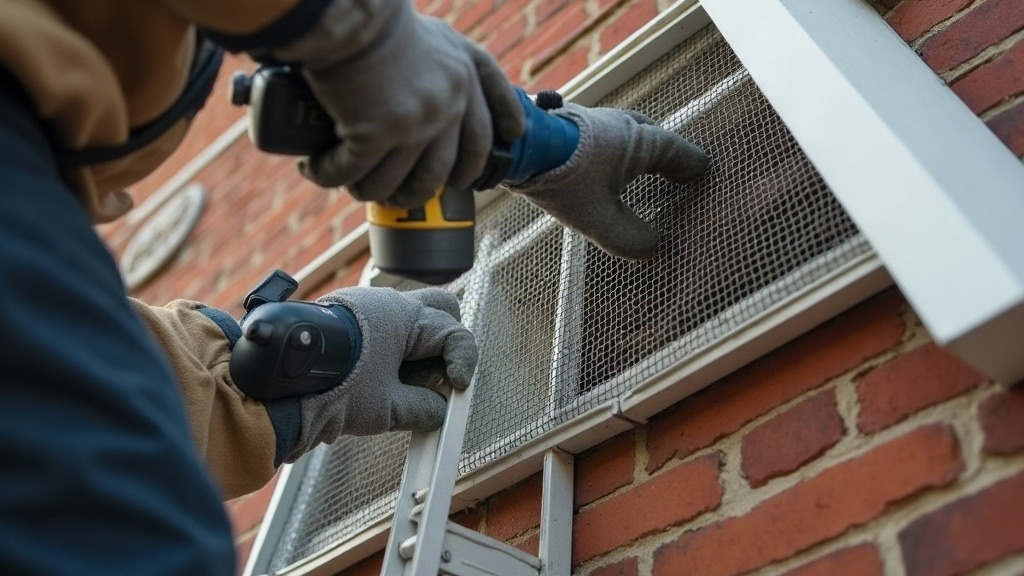
Three parts: trap and remove the animals (a mother with kits in a loft is a spring complication), harden feed storage — sealed metal bins, not bags — and exclude the structure with steel mesh over gaps and latched doors. Removal alone is temporary; raccoons mark successful den and feeding sites. Typical removal runs $300–$700, with exclusion priced by scope.
Displacement. Clearing concentrates the tract's former residents into the remaining cover — which includes your landscaping, garage and foundation plantings — for the first couple of years. It declines as the area restabilizes. Meanwhile: keep grass short, elevate and move wood and material piles away from the house, control rodents (they're what snakes are hunting), and call a pro for any snake you can't identify from a distance.
Yes. Blythewood appears by name in the published service areas of operators on our companies list — including Blythewood Wildlife Removal and AAAC Wildlife Removal — and the rest of the Columbia-metro companies cover northern Richland County routinely. Confirm any trip or mileage policy when you call, but Blythewood is well inside the metro's working area.
Noises in the attic, droppings, a snake you'd rather not identify — describe it on one call and hear the next step from a local specialist.