Independent directory — we compare Columbia wildlife removal companies; we don't do the work ourselves.
Quick answer
Snake removal in Columbia typically costs $150–$500 for a single visit — a technician locates, identifies and removes the snake, and checks for what attracted it. The safety rule first: South Carolina has 38 snake species and only 6 are venomous; around Columbia, the one you'll realistically meet is the copperhead — thick body, hourglass bands, leaf-litter camouflage. Most snakes in Columbia yards and garages are harmless rat snakes. If you can't tell, keep kids and pets away and call a pro — never handle or corner an unidentified snake.
Price ranges compiled from national cost data and published local pricing, September 2026. After-hours calls can carry an emergency premium — ask when you call.
24/7 — speak with a local wildlife specialist now.
Call (803) 910-6021Free to call, no obligation. Describe what's in your attic, walls or crawl space.
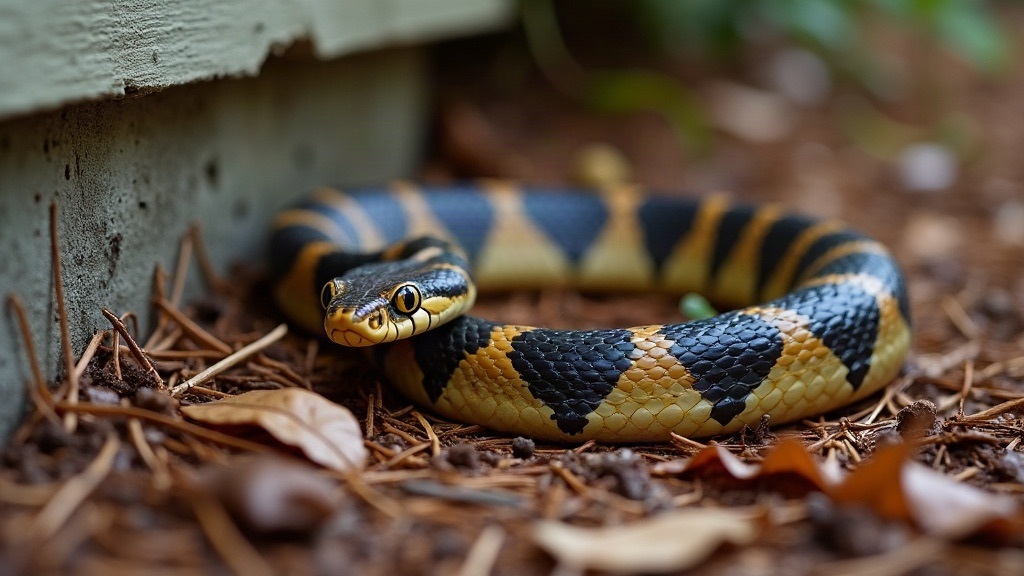
The copperhead is by far the most common venomous snake in the Columbia area — responsible for most venomous snakebites in South Carolina. Learn the look: a thick body with dark hourglass- or Hershey-kiss-shaped bands across a copper-tan background, a triangular head, and a habit of freezing in leaf litter rather than fleeing. They favor exactly what Columbia yards offer: wood piles, leaf litter, pine straw beds, and the edges of wooded lots. Timber rattlesnakes and cottonmouths exist in the broader Midlands but are far less common in town.
The good news: most snakes people find in Columbia are harmless — black rat snakes, gray rat snakes, corn snakes, garter snakes. Rat snakes are long and slender, often climb, and eat the rodents you really don't want. Killing them is both unnecessary and counterproductive. The practical rule that covers every case: if you are not 100% certain of the species, treat it as venomous — distance, no handling, call a removal service. And if anyone is bitten: call 911 or go to the ER; skip the folk remedies entirely.
Snakes go where food and shelter are. A snake in a Columbia garage or crawl space is usually hunting rodents — which means the snake is often a symptom of a mouse or rat problem, and removing only the snake leaves the door open for the next one. Shelter attractants: stacked firewood, lumber piles, dense ground cover, gaps under porches and sheds, and — along the Congaree corridor and creek-adjacent lots — simply living near good snake habitat.
Snakes inside the living space usually entered through ground-level gaps chasing prey. The professional follow-up to any indoor snake is an entry-point and rodent inspection — a company that removes the snake and says nothing about how it got in has done half the job.
A single removal visit runs $150–$500; crawl-space searches, multiple snakes or after-hours calls sit at the top of the range. If the visit turns up a rodent infestation or open entry points, that work is quoted separately. Full context: Columbia wildlife removal costs. Companies listing snake removal are on the companies page.
Look from a safe distance for: a thick body, dark hourglass-shaped crossbands (narrow at the spine, wide at the sides), a coppery-tan background color, and a distinctly triangular head. Juveniles have a bright yellow tail tip. Harmless lookalikes like corn snakes have rounder blotches and slender bodies. When in doubt, assume venomous and call a pro.
No. Most Columbia-area snakes are harmless rodent-eaters doing free pest control; killing a snake is also how many bites happen. If the snake is somewhere it can't stay — garage, porch, house — call a removal service. If it's passing through the yard, let it pass.
Call 911 or get to an emergency room — Prisma Health Richland treats snakebites regularly. Keep the person calm and the bitten limb immobilized at heart level, remove rings and tight clothing, and note the snake's appearance from a distance (do NOT try to catch it). No tourniquets, no ice, no cutting, no suction.
No reliable evidence supports mothballs, sulfur, or commercial "snake away" products — and mothballs aren't legal for that use. What works: remove rodent prey, remove shelter (wood piles, dense cover), and seal ground-level gaps into structures.
Usually no — a single indoor snake is typically one animal that followed prey through a gap. But the gap and the prey are still there, so the professional follow-up is an entry-point and rodent inspection, not just removing the snake.
Noises in the attic, droppings, a snake you'd rather not identify — describe it on one call and hear the next step from a local specialist.