Independent directory — we compare Columbia wildlife removal companies; we don't do the work ourselves.
Quick answer
Dead animal removal in Columbia typically costs $150–$400 when the carcass is accessible (attic, crawl space, yard) and $300–$800 when it's inside a wall, where removal means cutting and patching drywall. The service is three parts: find it, remove it, and treat the area — disinfection and deodorizing, because in Columbia's heat and humidity the smell does not politely wait. Most wildlife companies on our list handle dead animals; it's one of the few jobs where same-day really matters.
Price ranges compiled from national cost data and published local pricing, September 2026. In-wall jobs vary with access and repair scope.
24/7 — speak with a local wildlife specialist now.
Call (803) 910-6021Free to call, no obligation. Describe what's in your attic, walls or crawl space.
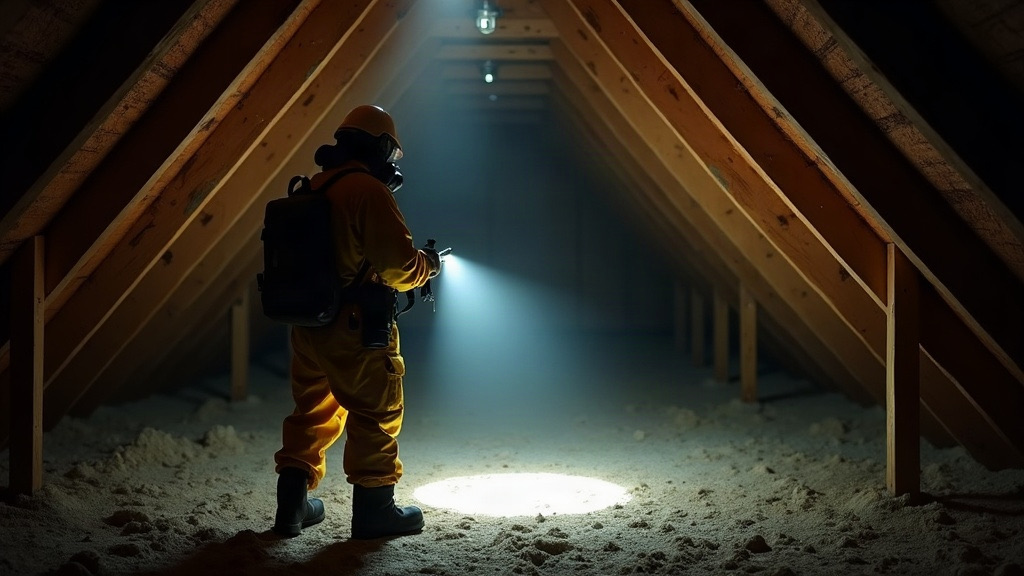
Most dead-animal calls start with odor, not a sighting. The usual Columbia story: a rat, squirrel, opossum or raccoon dies in a wall void, attic or crawl space — sometimes from age, sometimes from poison a previous owner put out for rodents (the strongest argument against DIY rodent poison), sometimes trapped after a half-finished exclusion sealed it in. In this climate, decomposition runs fast and hot, and the smell peaks within days.
Odor alone isn't the whole problem. A carcass attracts blowflies and their maggots (often the first visible sign — flies gathering at a vent or wall), carpet beetles, and bacteria that contaminate insulation. The good news: untreated, the smell from a small animal fades in two to three weeks. The bad news: those are two to three weeks you live in the house.
A dead squirrel in the yard is a shovel, a double bag, gloves and the trash. A carcass in the attic or crawl space is DIY-able if you can reach it safely — gloves, respirator, sealed bag, disinfect the spot. In-wall carcasses are where DIY stops making sense: cutting blind into drywall chasing a smell gets expensive and ugly fast, and professionals locate far more precisely. Also be honest with yourself about the crawl space in August.
One more scenario worth naming: a dead large animal — a raccoon or opossum under the house — is heavy, hazardous work in a confined space. That one is a professional call on difficulty alone.
Accessible carcass: $150–$400 including disposal and deodorizing. In-wall removal with drywall cut and patch: $300–$800. Deceased large animals or crawl-space work sit at the top of the range. Full context on the cost page; companies are on the companies page.
A mouse or rat peaks within days and fades in 1–2 weeks; a squirrel or opossum can smell strongly for 2–3 weeks; a raccoon longer. Columbia's heat and humidity accelerate decomposition but also spread the odor further through the house. Removal plus treatment ends it in one visit instead of weeks.
The odor itself is unpleasant but rarely dangerous. The real risks are secondary: blowflies and beetles breeding in the carcass, bacteria contaminating nearby surfaces, and — in attics over living space — fluids staining ceilings. People with respiratory conditions feel it most. Removal plus disinfection handles all three.
Nobody, on private property. Richland County Animal Services deals with domestic animal issues; a dead deer on a public road is a call to the county or SCDOT depending on the road. A dead animal in your wall, attic or yard is a paid private service.
For small animals, yes — in two to three weeks of living with it, plus whatever insects the carcass breeds. Most people call after day three. If you can locate and reach the carcass safely yourself, removal now beats waiting; if it's in a wall, that's the professional version.
Common causes: rodent poison (the animal eats bait, dies in a wall), age or disease, getting sealed in during a partial exclusion, or predators. If you've recently used poison bait or had exclusion work done, mention it when you call — it helps locate the carcass.
Noises in the attic, droppings, a snake you'd rather not identify — describe it on one call and hear the next step from a local specialist.